"
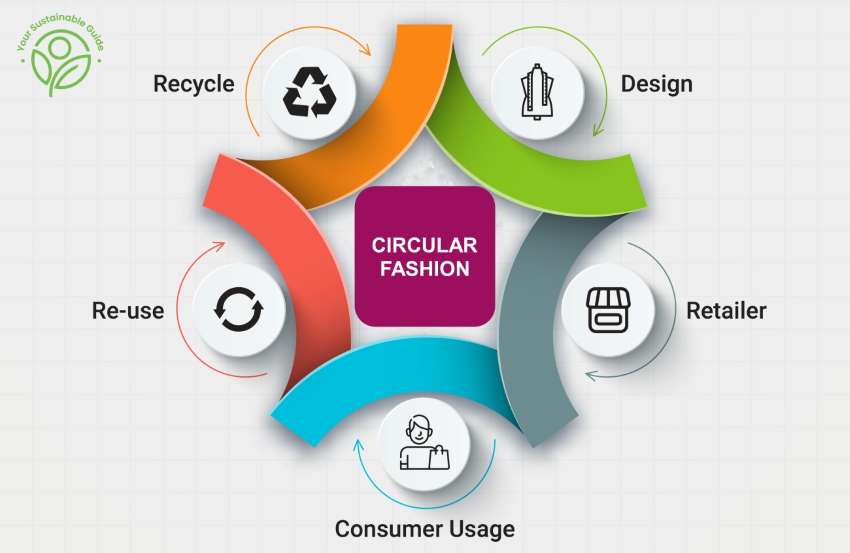
" The Delhi Metro Rail Corporation (DMRC) is formalizing a strategic push into circular fashion by establishing specialized collection hubs for post-consumer textile waste across 10 major transit stations. This initiative, championed by the Delhi government, seeks to divert discarded garments from landfill streams by creating an integrated, transparent recovery network. By installing dedicated collection boxes branded under the Delhi Metro Ladies Welfare Organisation (DMLWO), the program ensures that commuters can easily contribute to a structured waste-to-wealth model. These stations - including high-traffic nodes such as Lajpat Nagar, Hauz Khas, and Dwarka - will serve as the primary touchpoints for a system designed to transform individual garment disposal into a scalable, industrial-grade recycling process.
Driving value-added recovery and upcycling
Unlike fragmented disposal methods, this program emphasizes a tiered processing approach. Collected textiles will be systematically segregated; premium or reusable garments will be routed to non-governmental organizations and self-help groups for upcycling into utility items like bags and rugs, which may then be showcased and sold within station premises. Material unsuitable for direct reuse will be directed to recycling facilities for conversion into fiber, yarn, and non-woven felt. This aligns with national efforts to manage the ~7.07 million tonnes of textile waste generated annually in India. By bridging the gap between urban consumer behavior and industrial recovery, the DMRC initiative establishes a template for how transit-oriented infrastructure can effectively bolster the nation’s circular economy and sustainable fashion value chain.
Focus on post-consumer waste management
India boasts one of the world's largest textile recovery ecosystems, with nearly 97 per cent of pre-consumer manufacturing waste already recycled. Efforts are now intensifying toward post-consumer waste management. The sector remains focused on transitioning toward circularity, integrating advanced fiber-to-fiber recycling technologies to enhance long-term environmental and economic resilience.