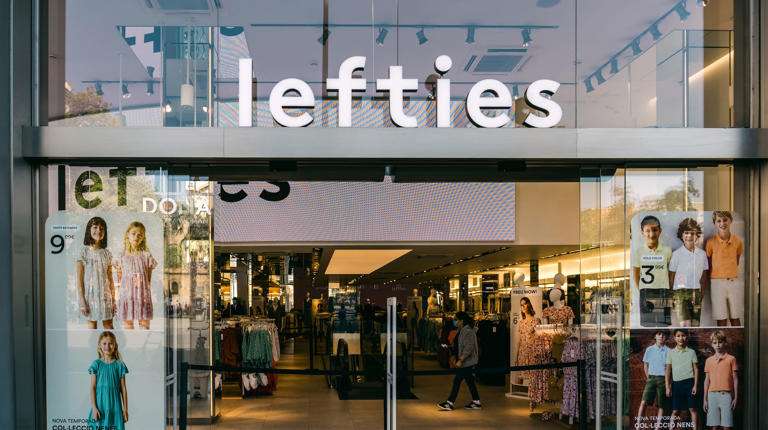
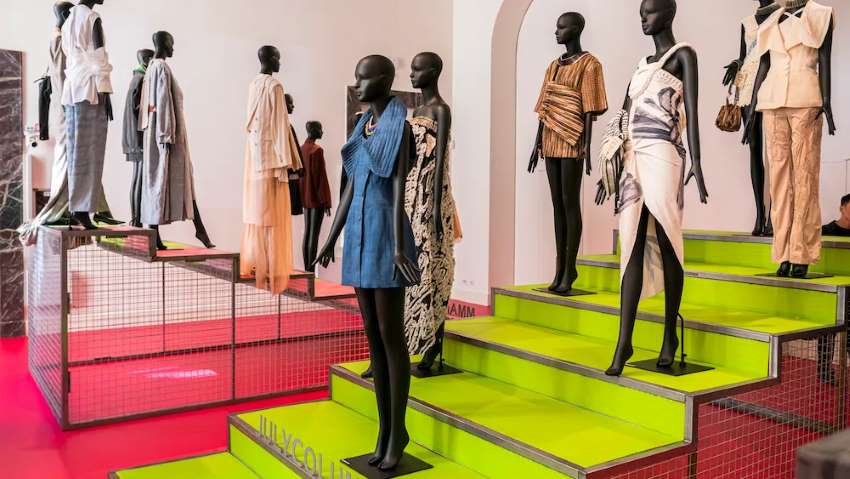
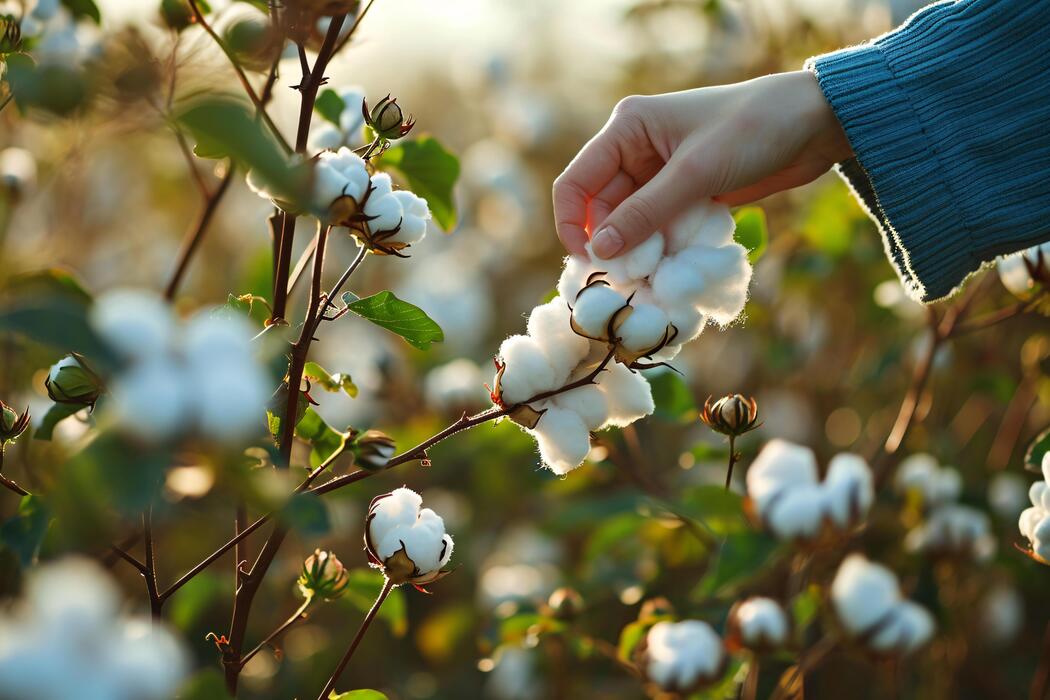
Sustainable clothing is striving to clean up the apparel industry’s reputation as the second most polluting industry on the planet. Mango has a new, mostly organic cotton collection in stores this season. Zara’s collection spotlights, among other green fabrics, a closed-loop material called Refibra made of recycled Tencel and cotton scraps.
H&M has a pleated gown in a fabric called Bionic, a polyester made from recycled plastic shoreline waste. The Swedish clothing giant has a target of using exclusively sustainable fabrics by 2030.
The definition of sustainable can vary widely, depending on the brand, but it generally involves some combination of greener supply chains, sourcing eco and recycled fabrics, manufacturing locally or ethically offshore and minimizing waste, polluting chemicals and energy consumption.
So every brand has to find its own eco recipe, depending on its financial and material resources and values. Ethical fashion brands are going after a growing demographic of aspirationals, a mix of hopeful millennials and Gen-Xers, that like to shop but prefer supporting brands with integrity.
Brands are entrenching sustainability throughout the supply chain. They're building proper sustainability teams instead of just tacking on a sustainable marketing director and green washing.
Brands are starting to calculate what climate change will do to their bottom line while coming to terms with their businesses' cost to the planet.
- 1
- 2
- 3
- 4
- 5
- 6
- 7
- 8
- 9
- 10
The Death of the "Stockpile" Model: Inside the Digital Textile disrupt…
For decades, the global textile industry has been a game of high-stakes gambling: manufacture thousands of identical garments, ship them... Read more
Fuel crisis, rising costs the geopolitical shockwave hitting Indian textiles
The hum of textile machinery in Panipat has gone dead. Over 400 dyeing units have put their shutters, not because... Read more
Price wars, fast fashion, diamond money leads to Surat’s industrial shake-up
The sound of Surat’s diamond polishing wheels, once the city’s heartbeat, is fading. In its place, the relentless pulse of... Read more
India’s textile market nears Rs 15 lakh cr as domestic demand rewrites growth
India’s textile and apparel economy is no longer being driven merely by population growth or festive consumption cycles. It is... Read more
China Discounts, Bangladesh Bleeds: Inside Europe’s new apparel sourcing crisis
Europe’s fashion imports opened 2026 with a hard jolt. Fresh Eurostat-linked trade data for January shows the European Union’s apparel... Read more
Geopolitical volatility triggers sharp decline in global textile confidence: Sur…
The global textile industry is grappling with a sudden and severe downturn in sentiment as regional conflicts disrupt essential trade... Read more
India’s legacy buying houses confront existential challenge as FTAs reshape supp…
The Indian apparel sourcing is being reshaped with a a series of new Free Trade Agreements (FTAs). It is changing... Read more
ICRA sees apparel export recovery in FY27 as margin pressure eases, FTAs gain tr…
India’s apparel export sector is moving out of a year defined by tariff-led disruption and into one shaped by market... Read more
From Price to Purpose: India’s textile leaders chart a sustainable future at CMA…
The Indian textile industry is standing at a historic crossroads. For decades, the sector has been fueled by its reputation... Read more
Industrial automation and AI take center stage at Garment Technology Expo (GTE) …
The conclusion of the 39th Garment Technology Expo (GTE 2026) in Greater Noida has signalled a decisive shift in South... Read more