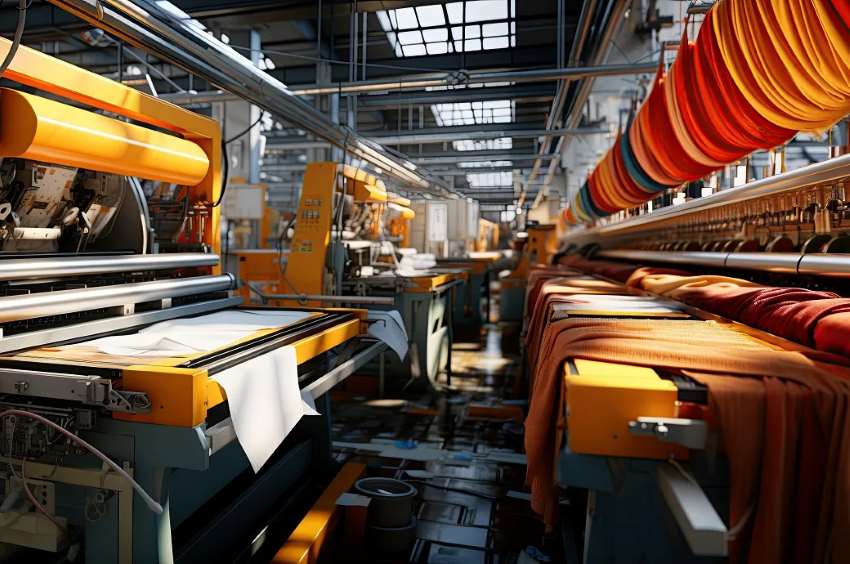
The Bangladeshi apparel sector is undergoing a significant transformation, effectively shaking off a period of sluggish performance. ollowing a challenging 2025 where export growth stalled at a modest 0.89 per cent, the industry has posted a marked recovery throughout mid-2026. Official data from the Export Promotion Bureau confirms, merchandise exports increased by 25.91 per centY-o-Y in June 2026, with the ready-made garment sector serving as the primary engine for this momentum. This shift highlights a resilient transition from stagnant figures to a robust quarterly outlook, with industry projections estimating 8–10% growth for the third quarter of 2026.
Capturing market share from global competitors
A critical tailwind for Bangladesh has been the recalibration of global sourcing strategies, particularly as Western buyers reduce reliance on Chinese manufacturing due to tariff pressures. In the United States market, Bangladesh officially surpassed China to become the second-largest apparel supplier by value in early 2026. While total US apparel imports have contracted, Bangladesh’s relative stability compared to the sharp decline in Chinese shipments has secured its strategic standing. This reality has opened the door to new possibilities, notes Kazi Fahad, Director, Bangladesh Printed Apparel and Accessories Manufacturers and Exporters Association. Now is the time to increase production capacity and ensure faster service to gain further trust from global buyers.
Addressing structural constraints
Despite this resurgence, industry leaders caution that long-term competitiveness requires addressing domestic challenges, including high bank interest rates, energy supply volatility, and the looming transition from Least Developed Country (LDC) status. The industry is currently prioritizing technological investment and production automation to maintain margins as duty-free access undergoes potential changes by 2029. By focusing on high-value categories and diversifying beyond traditional markets, manufacturers are aiming to solidify their position against intensifying competition from regional peers like Vietnam.
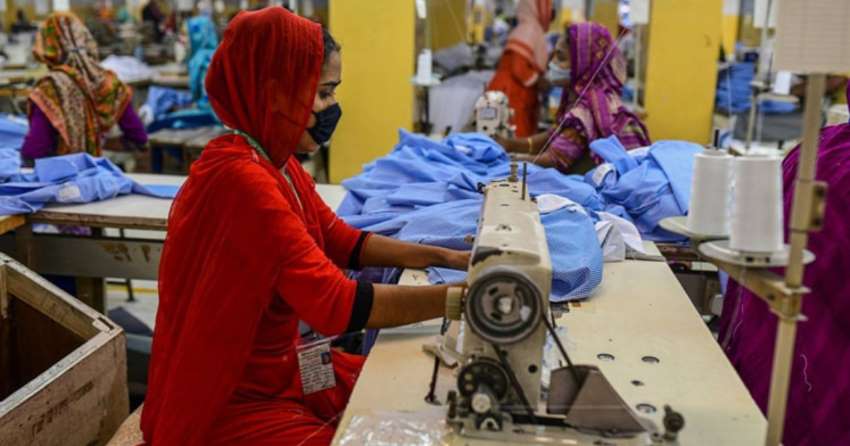
As the world’s second-largest apparel exporter, the Bangladesh garment industry functions as the nation’s economic backbone, accounting for approximately 80 per cent of total export revenue. Key product categories include knitwear, woven garments, and high-performance sportswear. Current growth plans emphasize factory modernization and product diversification to maintain global competitiveness post-LDC graduation.