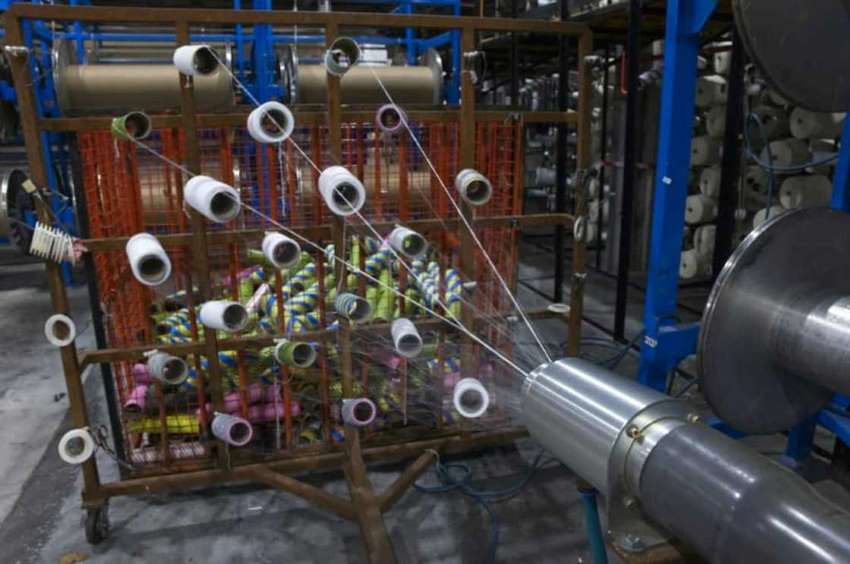
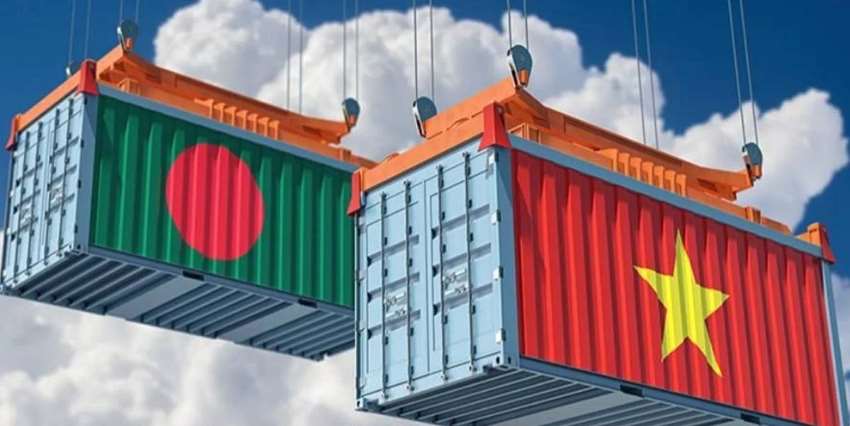
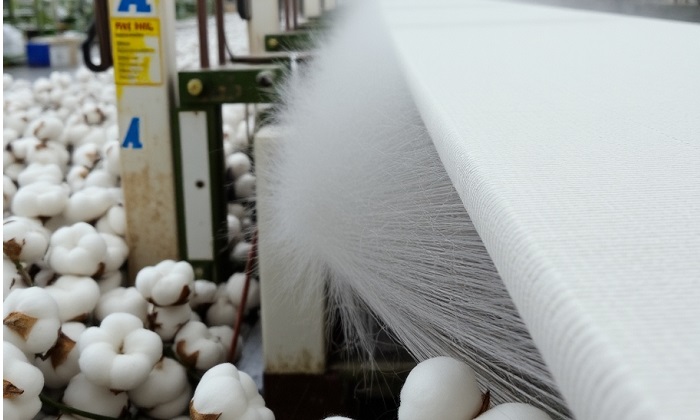
The Government of India’s decision to waive the 11per cent customs duty on raw cotton imports through October 31, 2026, serves as an important strategic intervention to address structural cost disadvantages. By effectively removing the Basic Customs Duty and the Agriculture Infrastructure and Development Cess, the policy aims to bridge the price parity gap that has historically favored regional textile hubs like Vietnam and Bangladesh. For domestic spinners and garment exporters, this relief is not merely a temporary cost-saver but a vital mechanism to stabilize production during the pre-harvest lean season. Industry data indicates an annual domestic supply shortfall of approximately 40 to 50 lakh bales, making this duty-free access essential for maintaining export commitments under long-term supply agreements.
Scaling beyond tariff interventions
While the waiver provides immediate relief, industry leadership emphasizes that long-term competitiveness remains tethered to productivity and quality improvements. Ashwin Chandran, Chairman, Confederation of Indian Textile Industry (CITI), noted, the 11 per cent tariff had previously acted as a significant bottleneck in leveraging emerging Free Trade Agreements. Looking ahead, the sector is shifting its focus toward the Rs 5,659-crore ‘Mission for Cotton Productivity,’ which aims to address yield disparities - where India’s output currently trails global averages - to reduce reliance on periodic import interventions. As manufacturers calibrate their procurement strategies before the October deadline, the focus remains on integrating high-quality, globally sourced fiber into value-added apparel lines to capture higher margins in the international market.
Maintaining a competitive global standing
India’s textile industry is a cornerstone of the national economy, supporting millions of rural livelihoods through fibre-to-fashion integration. Key segments include cotton yarn, woven fabrics, and technical textiles for global markets. Growth plans emphasize sustainable manufacturing, yield-boosting technological interventions, and export diversification to maintain long-term competitive global standing.